
By Team, Technology & Retail Columnist
The Future of Shopping Is Being Written at Checkout
For years, the online checkout experience has remained surprisingly stagnant; a necessary but often clunky final step in e-commerce. No matter how sleek a store’s homepage or how personalized the product recommendations are, when it came time to pay, shoppers were usually greeted with the same static form: name, card number, billing address, and a hope that they wouldn’t abandon their cart.
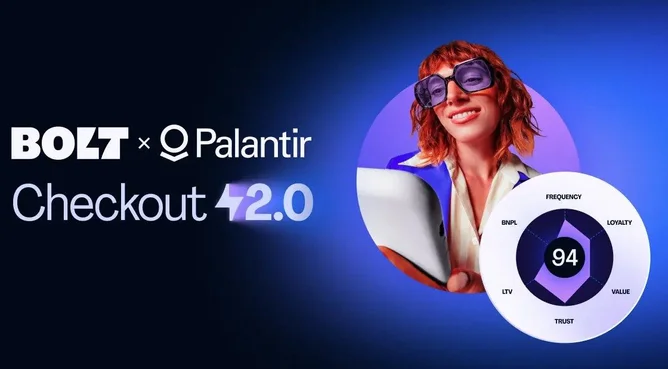
Bolt Financial and Palantir Technologies are aiming to change that with a bold new collaboration they’re calling Checkout 2.0; an AI-powered, real-time adaptive checkout system that promises to personalize and streamline online shopping like never before.
Their goal? Nothing short of reinventing how people buy online.
A Partnership Forged in Data and Intelligence
On the surface, the partnership may seem unlikely. Bolt is a fast-moving fintech startup best known for its frictionless one-click checkout experiences. Palantir, on the other hand, is known for its deep roots in defense and big data analytics; with a reputation for handling some of the world’s most complex decision-making problems.
But behind the scenes, the two companies bring complementary superpowers to the table. Bolt brings access to a sprawling database of over 80 million online shoppers through its Universal Shopper Network, built from nearly a decade of retail partnerships. Palantir supplies the analytical firepower: advanced AI decision engines capable of interpreting patterns in user behavior and turning those into real-time responses.
“It’s like giving online checkout a brain and a memory,” says Ted Mabrey, Global Head of Commercial at Palantir. “No more static pages. Every transaction becomes smarter than the last.”
From One-Size-Fits-All to Just-For-You
Imagine a cosmetics enthusiast who shops frequently on her phone, usually late at night, and prefers Apple Pay. Instead of forcing her through a generic checkout funnel, Checkout 2.0 might greet her with suggested add-ons from her favorite brands, a payment option she’s used before, and a simplified mobile interface. Another shopper, perhaps a crypto enthusiast buying gaming hardware, might see an entirely different flow; one that integrates Bolt’s native crypto wallet.
This is personalization not just as a marketing gimmick, but as a core transactional experience. Ryan Breslow, Bolt’s Founder & CEO, likens it to “Netflix-style personalization at the checkout stage; except instead of recommending movies, we’re anticipating behavior and payment preferences to drive completion.”
Real-World Results: Two Case Studies
- Beauty Retailer Breakthrough:
Take Kendra Scott, one of Bolt’s early retail partners. Before Checkout 2.0, the jewelry brand suffered a familiar issue; high cart abandonment, especially on mobile. After piloting the personalized checkout, they saw a 17% increase in mobile conversion within the first two weeks. Shoppers were more likely to follow through, thanks to simplified payment options and real-time upselling that felt relevant rather than intrusive.
- Crypto Confidence at Checkout:
Another example comes from a mid-sized electronics retailer that embraced Checkout 2.0’s crypto capabilities. By offering Ethereum and Bitcoin as payment methods, the brand tapped into a niche but loyal demographic of tech-savvy customers. One shopper reportedly messaged support saying, “This is the first time I felt like I could use crypto without jumping through hoops.”
The underlying engine, powered by Palantir’s Foundry platform, constantly learns from these micro-interactions; refining the process and making each subsequent checkout smoother and more context aware.
Inside the Architecture: How Checkout 2.0 Works
Technically, Checkout 2.0 is built on a dynamic decision-making process. Each shopper has a persistent profile that gets updated with every completed (or abandoned) transaction. Palantir’s AI interprets these profiles to recommend not just products but optimal payment methods, shipping choices, and even the sequence of form fields.
The system also detects when a customer is likely to churn; for example, if they pause too long at the payment page; and can trigger targeted incentives like limited-time discounts or simplified guest checkout options.
Crucially, privacy has been baked into the design. “All shopper insights are anonymized and governed in compliance with modern data protection standards,” Bolt emphasized.
Scaling Up: The Road Ahead
Bolt plans to scale Checkout 2.0 across its enterprise partners using Palantir’s infrastructure, unlocking a potentially massive network of retailers who otherwise couldn’t afford to build such sophisticated checkout systems themselves.
“We’re democratizing Amazon-level experiences,” says Breslow. “But without forcing merchants into Amazon’s ecosystem.”
And it’s not just about sales conversion. For retailers, Checkout 2.0 provides analytics dashboards, operational insights, and fraud detection tools — turning the checkout from a black box into a rich source of strategic intelligence.
Checkout as a Competitive Advantage
In a retail landscape where every second counts, and every abandoned cart stings, companies are racing to find an edge. Bolt and Palantir are betting that the final step of the online shopping journey, the checkout, is where that edge lies.
But more than that, they’re redefining what it means to understand your customers.
The result? A checkout experience that feels less like a form to fill out, and more like the end of a great conversation.
Final Thoughts
The rise of Checkout 2.0 signals a broader shift in digital commerce: personalization is no longer a front-end flourish; it’s becoming a backend necessity. As AI continues to infiltrate every corner of the customer’s journey, checkout, the once-overlooked frontier, is now one of the most strategic battlefields.
Whether you’re a global brand or a growing boutique, the message is clear: adapt, personalize, and move fast; or get left behind at the checkout.