Inside the league’s transformation, from overlooked to unstoppable, through the lens of strategy, resilience, and the power of women’s leadership.
A Season of Firsts; But Not by Chance
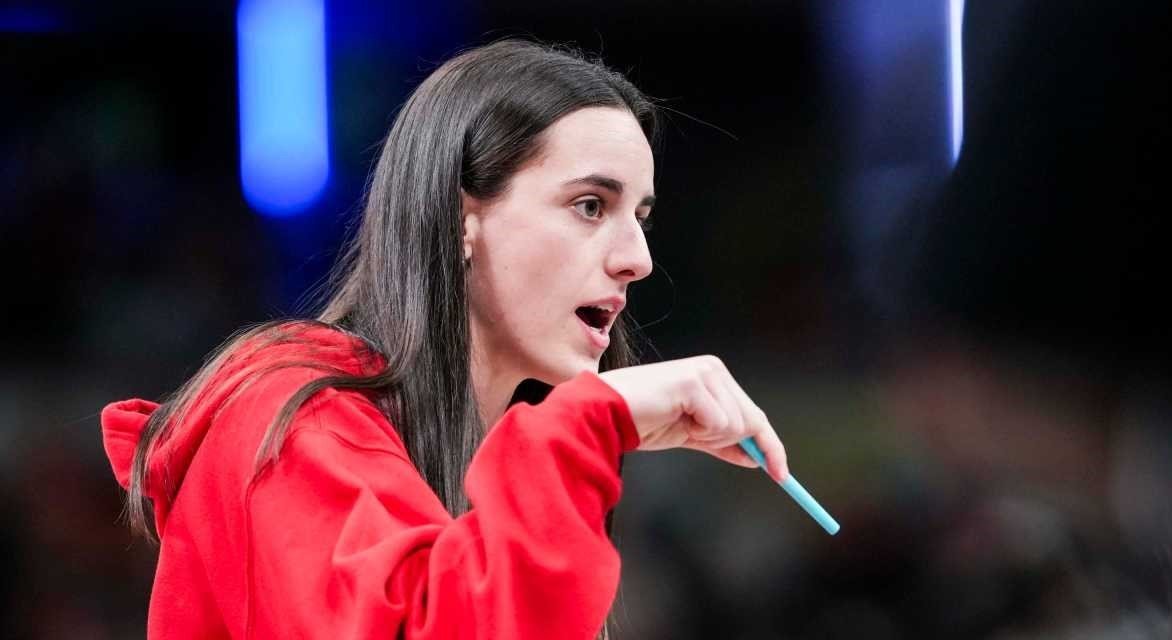
To the untrained eye, the WNBA’s explosive 2024 season might seem like the product of serendipity; a magical moment sparked by viral rookies Caitlin Clark and Angel Reese, with packed arenas and millions watching from home. And while their stardom certainly lit a fire, the kindling had been carefully stacked over the preceding years under Commissioner Cathy Engelbert’s leadership.
From shattered attendance records to a $2.2 billion media rights deal, the WNBA didn’t just grow; it exploded. But behind the headlines lies a case study on long-term vision, strategic risk-taking, and cultural reinvention.
Foundations of a Future Giant
The Women’s National Basketball Association was born in 1997, on the momentum of the U.S. Women’s Olympic gold in 1996. Early years brought promise, media attention, and talent like Lisa Leslie and Sheryl Swoopes. But the decades that followed saw uneven growth, team closures, and financial fragility.
When Cathy Engelbert stepped into the commissioner’s role in 2019; fresh off serving as CEO of Deloitte, where she oversaw 100,000 employees and $20 billion in revenue; the league was more respected than profitable. There was passion and pride, but not parity. The WNBA had a strong product, incredible athletes, and a loyal base; but lacked capital, coordination, and modern infrastructure.
Engelbert didn’t come in with sports credentials. What she brought instead was something perhaps more vital: operational clarity and a vision for transforming the league into a sustainable business; and a cultural force.
Personal Anecdote:
In her first week on the job, Engelbert met the lone marketing employee at league HQ and asked to see the year’s plan. The response? A PowerPoint with four vague bullet points and no resources to act on them. “That was the moment I knew transformation wasn’t optional,” Engelbert later said. “It was existential.”
A Three-Pillar Strategy for Reinvention
Engelbert’s approach wasn’t reactive; it was rooted in a clear, three-part strategy:
- Player First:The game begins and ends with the athletes. From negotiating a historic collective bargaining agreement in 2020 to enhancing mental health, travel, and family care benefits, the league prioritized the people on the court; not just in words but in wallets.
- Stakeholder Value:Owners, partners, investors, and media weren’t treated as bystanders but as co-creators. Governance was modernized, transparency was elevated, and new capital was actively sought.
- Fan Experience Transformation:At a time when most leagues focused on stadiums, the WNBA turned to screens. From rebuilding a clunky website with 20,000 outdated pages to creating a data-rich fan CRM and modernizing its League Pass streaming, Engelbert’s team made sure that being a fan in 2024 was seamless, sticky, and social.
Case Study: Fan Engagement Reimagined
In 2023, the league used geo-targeted CRM data to promote the Phoenix Mercury’s road games in Las Vegas. The result? A 42% increase in out-of-state ticket purchases and 3.6x more digital engagement. “It wasn’t just marketing,” one team executive noted. “It was matchmaking between players and fans.”
Resilience Tested: From “Wubble” to Redemption
No transformation happens without turbulence. For the WNBA, 2020 brought two crushing blows in rapid succession: the tragic death of Kobe and Gianna Bryant; who had privately pledged to help the league raise $50 million; and the onset of the COVID-19 pandemic.
Engelbert’s response? Go all in.
The league created a self-contained “bubble” at IMG Academy, dubbed the “Wubble,” where players lived, trained, and competed in isolation. But the season wasn’t just about basketball; it became a national symbol of how sports could take a stand.
Following the murder of George Floyd and in solidarity with Breonna Taylor, the WNBA; 80% of whose players are women of color; launched a Social Justice Council and adorned jerseys with Taylor’s name. It was one of the first major leagues to explicitly connect sport with social action.
The result? Viewership surged. Engagement soared. And the league’s identity solidified; not just as entertainment, but as a platform for justice and equity.
A Dream Deferred, Then Delivered
It wasn’t until 2022 that the capital raise Engelbert had first envisioned with Kobe finally materialized. But when it did, it came in strong: $75 million from a powerhouse group of investors, including Condoleezza Rice, Nike, Michael Dell, and Gayle King.
With the money came movement. Engelbert hired a seasoned Nike marketing executive as CMO, attracted digital and engineering talent from Silicon Valley, and modernized the WNBA’s data infrastructure. The mantra that year: “Make it easy to be a fan.” And it worked.
This wasn’t just operational excellence. It was cultural repositioning.
Real-Life Impact:
In 2023, Ellie the Elephant; the New York Liberty’s mascot; became a TikTok icon, featured in Vogue, and was credited with boosting Gen Z engagement by over 120% across Liberty’s channels. “Ellie’s not just a mascot,” said one fan. “She’s a whole vibe.”
2024: The Year Everything Changed
The 2024 season opened with more anticipation than ever before. Caitlin Clark and Angel Reese; rivals turned rookies; entered the league with built-in fanbases and media magnetism. After the March Madness women’s final peaked at 24 million viewers (beating the men’s), the WNBA was primed for lift-off.
By the numbers:
- TV Viewership:+170% YoY; 3.4 million tuned into the All-Star Game.
- Merchandise Sales:+600%
- Arena Attendance:Highest in 22 years, with every team growing in double digits.
- Social Media Views:2 billion+ across platforms.
These weren’t just stats. They were signals. The league wasn’t just gaining fans; it was gaining cultural momentum.
Securing the Future with a $2.2B Bet
Mid-season in 2024, the WNBA signed a multi-year, $2.2 billion media rights deal with Disney, NBCUniversal, and Amazon Prime Video; the most lucrative in women’s sports history. The implications are seismic: better salaries, bigger marketing budgets, and global reach.
With this, the WNBA shifted from being a niche property to a must-watch prime-time asset.
Engelbert’s 2024 Mantra:
“The bold will win. Everything must change.” It wasn’t just a slogan; it was a rallying cry for teams, players, sponsors, and fans to think differently about what the league could be.
What’s Next? A Global Vision
As the 2025 season looms, the WNBA stands at a new crossroads. The league is preparing for two new franchises, global expansion, and a broader redefinition of what professional women’s sports can look like.
Key questions remain:
- How can the league continue to scale without losing intimacy?
- Which tech tools best deepen fan connections?
- What can the WNBA learn from brands like Apple, Netflix, or Nike in creating ecosystems that keep users returning?
- How can players remain central to the narrative?
And perhaps the most exciting one: What happens when the WNBA isn’t just reacting to history; but making it?
The Long Game
The WNBA may be 29 years old, but it is, in many ways, just hitting its stride. Cathy Engelbert compares the league today to a growth stock; undervalued by some, overperforming by others, and now impossible to ignore.
Final Thought: “When I was first approached about this job,” Engelbert recalls, “I said I didn’t know how to run a sports league. But I’ve learned this: running the WNBA is more than sports. It’s about culture, business, and the future of women’s leadership.”
If 2024 was the breakout, 2025 might just be a revolution.